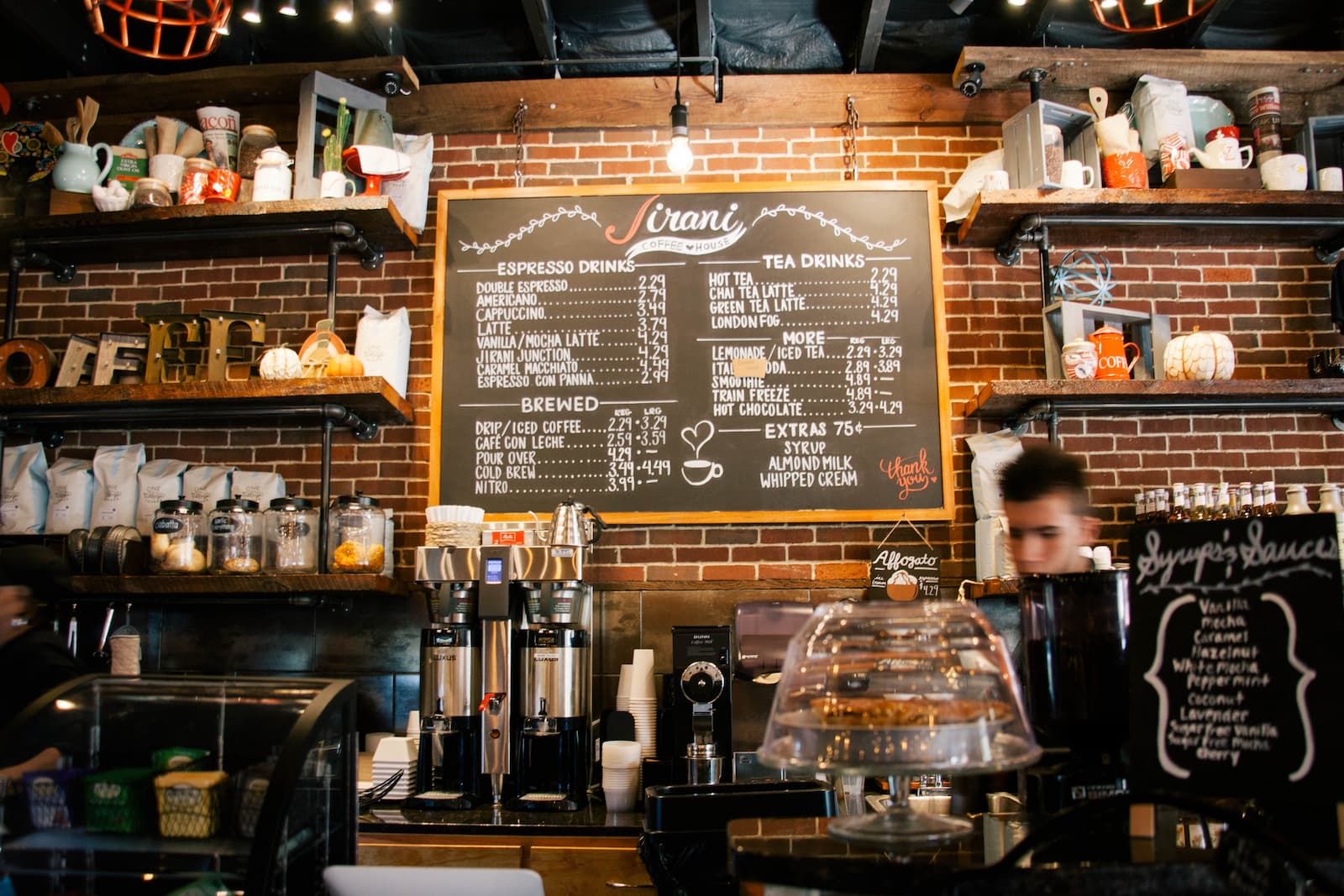
Menu analysis is the process of reviewing a menu as a business tool.
It is not only about checking whether prices are too high or too low. It is about understanding how the menu works as a whole: how items are grouped, how prices compare, which products are visible, which choices feel attractive, and where the menu may be helping or hurting business performance.
For any hospitality business with a menu, the menu is one of the most important decision points in the business.
It affects what customers notice, what they compare, what they order, how much they spend, and which items protect margin.
A menu may look simple on the surface. But behind it, there may be hidden problems:
- underpriced items,
- weak margins,
- confusing price gaps,
- hidden premium products,
- too many similar items,
- poor section structure,
- weak item descriptions,
- low-visibility high-value items,
- and products that look successful but may not protect profitability.
That is why menu analysis matters.
Quick answer
Menu analysis is the process of reviewing a menu to understand how pricing, item structure, descriptions, category layout, customer choices, and item visibility affect business performance.
A good menu analysis helps answer:
- Which items need pricing attention?
- Which sections are confusing?
- Which products may be underpriced?
- Which premium items need better support?
- Which items are too hidden?
- Which prices are too close together or too far apart?
- Which items may be hurting margin?
- What should be changed first?
The goal is not to redesign everything.
The goal is to understand where the menu needs attention.
Why menu analysis matters
Many menu decisions are made gradually.
A new item is added. A price is updated. A supplier increases costs. A seasonal product becomes permanent. A bestseller keeps the same price for too long. A premium item is added but not properly described. A section grows until it becomes too crowded.
Over time, the menu can stop working clearly.
The business may still sell products, but the menu may no longer guide customers toward the right choices. It may hide good items, overexpose weak-margin items, or make prices harder to understand.
This is especially important for small hospitality businesses because they usually do not have analysts, consultants, or detailed menu engineering systems.
They need a practical way to answer:
“What is my menu doing right now, and what should I review first?”
That is the purpose of menu analysis.
A menu is more than a list of items
A menu is often treated as a list:
- item name,
- description,
- price,
- section.
But customers do not experience it as a simple list.
They scan it. They compare options. They notice price differences. They look for safe choices. They evaluate value. They avoid items that feel risky. They choose based on what the menu makes easy to understand.
A strong menu helps customers understand:
- what is basic,
- what is premium,
- what is good value,
- what is special,
- what is worth trading up for,
- and what fits their budget.
A weak menu makes those decisions harder.
Menu analysis helps reveal the difference.
What menu analysis should review
A useful menu analysis should not look at only one thing.
It should review the menu from several angles.
1. Pricing
Pricing is one of the most obvious parts of menu analysis.
But it should not be reviewed only item by item.
Menu analysis should look at:
- individual prices,
- price ranges,
- price gaps,
- price ladders,
- premium items,
- entry-level options,
- customer-sensitive prices,
- and prices that may no longer match cost pressure.
A price can be correct on its own but confusing inside a section.
For example:
- Classic Burger — $13
- Cheeseburger — $14
- House Burger — $15
- Premium Beef Burger — $24
The premium burger may be worth $24, but the jump needs support. If the menu does not explain why it costs more, customers may avoid it.
Menu analysis helps check whether prices make sense together.
2. Menu structure
Menu structure is how the menu is organized.
This includes:
- categories,
- sections,
- item order,
- section length,
- grouping,
- add-ons,
- specials,
- bundles,
- and how easy the menu is to scan.
A menu can become difficult to use when sections are too crowded, too similar, or poorly organized.
Structure matters because customers make decisions inside sections.
A strong menu section should help customers compare options clearly.
A weak section creates hesitation.
3. Item visibility
Not every item receives the same attention.
Some items are easy to notice. Others are buried.
This matters because visibility affects what customers order.
A profitable item that is hidden may underperform. A weak-margin item that is too visible may sell more than the business actually wants. A premium item may exist on the menu but fail because customers do not see it at the right moment.
Menu analysis should ask:
- Which items are most visible?
- Which important items are hidden?
- Are high-margin items easy to find?
- Are premium items supported enough?
- Are weak-margin items too prominent?
- Are add-ons and upgrades easy to notice?
Visibility is not decoration.
It affects sales.
4. Item roles
Every menu item has a role.
Some items attract customers. Some protect margin. Some create premium perception. Some complete a category. Some act as safe choices. Some are add-ons. Some are problem items.
Common item roles include:
- Traffic driver: brings people in or feels like strong value.
- Profit builder: has strong margin and should be visible.
- Signature item: represents the business.
- Premium anchor: makes other items feel more accessible.
- Safe choice: gives cautious customers something familiar.
- Add-on item: increases average spend.
- Problem item: sells poorly, has weak margin, or confuses the section.
Menu analysis helps identify whether item roles are clear.
If every item looks the same, customers may not understand what to choose.
If premium items are not clearly different, they may not feel worth the price.
If cheap items are too attractive, customers may trade down.
A good menu makes item roles easier to understand.
5. Price psychology
Customers do not judge prices in isolation.
They compare prices with nearby items, with their expectations, and with the value they believe they are getting.
Menu analysis should review price psychology signals such as:
- prices that feel unsupported,
- large price gaps,
- overly compressed prices,
- weak premium anchors,
- unclear value tiers,
- price endings,
- and prices that may make customers focus too much on cost.
For example:
- Item A — $15
- Item B — $16
- Item C — $17
- Premium Item — $18
The premium item may not feel premium because the price is too close to the others.
But this can also be a problem:
- Item A — $15
- Item B — $16
- Item C — $17
- Premium Item — $29
Now the jump may feel too large unless the menu clearly explains the value.
Menu analysis helps find these issues before customers silently avoid certain items.
6. Descriptions and perceived value
Descriptions help customers understand value.
A weak description can make a fair price feel expensive.
Compare:
Grilled Chicken — $18
With:
Charcoal-Grilled Free-Range Chicken, Lemon Herb Jus, Roasted Potatoes — $18
The price is the same, but the second version gives the customer more reasons to accept it.
Menu analysis should identify items where the price needs more support.
This is especially important for:
- premium items,
- high-margin items,
- signature products,
- items with expensive ingredients,
- products above the section average,
- and items customers may not immediately understand.
The goal is not to make every description long.
The goal is to make value clear where it matters.
What menu analysis is not
Menu analysis is often confused with other tasks.
It is related to them, but it is not the same thing.
It is not only menu design
Menu design focuses on how the menu looks.
Menu analysis focuses on how the menu works.
Design matters, but a beautiful menu can still have weak pricing, poor item structure, hidden profitable products, or confusing categories.
It is not only food costing
Food costing tells you what an item costs to produce.
Menu analysis asks whether that item makes sense inside the full menu.
An item can have a correct food cost percentage but still feel overpriced to customers. Another item can have a lower margin but play an important strategic role.
It is not only menu engineering
Menu engineering often uses sales volume and profitability to classify items.
That can be useful, but many small businesses do not have clean data or time to maintain detailed spreadsheets.
Menu analysis can be a more practical starting point: review the menu structure, pricing patterns, visibility, and potential risks before going deeper.
It is not just asking a chatbot
A chatbot can give useful advice if you give it the right prompt and enough context.
But a small hospitality business usually needs a repeatable workflow, not a one-off conversation.
Menu analysis should be structured.
It should look at the actual menu, extract patterns, and help identify what deserves attention first.
Signs a business needs menu analysis
A hospitality business may need menu analysis if:
- prices have not been reviewed recently,
- supplier costs have increased,
- customers are choosing cheaper items more often,
- premium items are not selling,
- bestsellers have weak margins,
- the menu has grown over time,
- sections feel crowded,
- several items have similar prices,
- some items are rarely ordered,
- the menu is about to be redesigned,
- prices are being raised,
- or the owner is unsure what to change first.
Menu analysis is useful before making major changes.
It helps avoid guessing.
What a good menu analysis should produce
A good menu analysis should not only say:
“Your menu could be better.”
It should help prioritize action.
Useful outputs include:
- items that may need pricing attention,
- sections with confusing price structure,
- premium items that need stronger descriptions,
- items that may be too hidden,
- low-priced items that may be too attractive,
- categories that feel crowded,
- price gaps that may affect customer decisions,
- and areas where the menu could be simplified.
The goal is clarity.
A business owner should finish the analysis with a better understanding of what to review first.
Menu analysis before price changes
One of the best times to analyze a menu is before changing prices.
Many hospitality businesses raise prices under pressure.
Costs rise, margins tighten, and the business reacts quickly.
But changing prices without analysis can create problems:
- customer-sensitive items may rise too much,
- premium items may still lack support,
- weak-margin items may stay weak,
- price gaps may become confusing,
- customers may trade down,
- and the whole menu may feel more expensive.
Menu analysis helps make price changes more selective.
Instead of asking:
“How much should we raise everything?”
Ask:
“Which items actually need attention?”
That is a much stronger starting point.
Menu analysis before redesigning a menu
Another important time for menu analysis is before redesigning the menu.
A redesign can improve appearance, but it should not only be visual.
Before changing layout, colors, fonts, or sections, analyze what the current menu is doing.
Ask:
- Which items need more visibility?
- Which sections are too crowded?
- Which categories are unclear?
- Which premium items need better support?
- Which low-margin items are too prominent?
- Which items should be removed, merged, or repositioned?
A redesign without analysis may simply make the same problems look better.
A better redesign starts with understanding.
Menu analysis for small hospitality businesses
Small hospitality businesses often do not need complex enterprise systems.
They need practical clarity.
A restaurant, café, bar, bakery, food truck, takeaway business, or other menu-based operation may simply need to know:
- What is confusing?
- What is underpriced?
- What is hidden?
- What feels unsupported?
- What should be reviewed first?
That is the space MenuLab is built for.
MenuLab helps small hospitality businesses make better menu decisions without needing a consultant, spreadsheet, or manual menu engineering process.
The idea is simple:
Upload the menu. Review the structure. Understand pricing patterns. Identify visibility issues. See what may need attention first.
MenuLab does not replace the owner’s judgment.
The owner still knows the customers, kitchen, staff, neighborhood, and business context.
MenuLab helps make the menu easier to understand as a decision tool.
How MenuLab helps
MenuLab helps hospitality businesses analyze their menus and find issues that may affect pricing, structure, item visibility, and customer decisions.
Instead of reviewing items one by one manually, MenuLab helps identify patterns across the full menu, such as:
- prices that may need attention,
- sections with confusing price gaps,
- premium items that may be unsupported,
- products that may be hidden,
- weak category structure,
- items that may be pulling customers down,
- and areas where the menu may be harder to understand than it should be.
The goal is not to make every menu the same.
The goal is to help each business understand its own menu better.
Some menus need pricing review. Some need clearer structure. Some need stronger descriptions. Some need fewer items. Some need better visibility for important products.
Menu analysis helps decide what comes first.
Final thought
Menu analysis matters because the menu is not just a list of products.
It is a business tool.
It shapes customer decisions, pricing perception, item visibility, average spend, and margin.
A strong menu helps customers understand what to order and helps the business guide attention toward the right items.
A weak menu can quietly create problems even when it looks normal.
Before changing prices, redesigning a menu, adding new items, or removing products, analyze how the menu works today.
Better menu decisions start with better visibility.