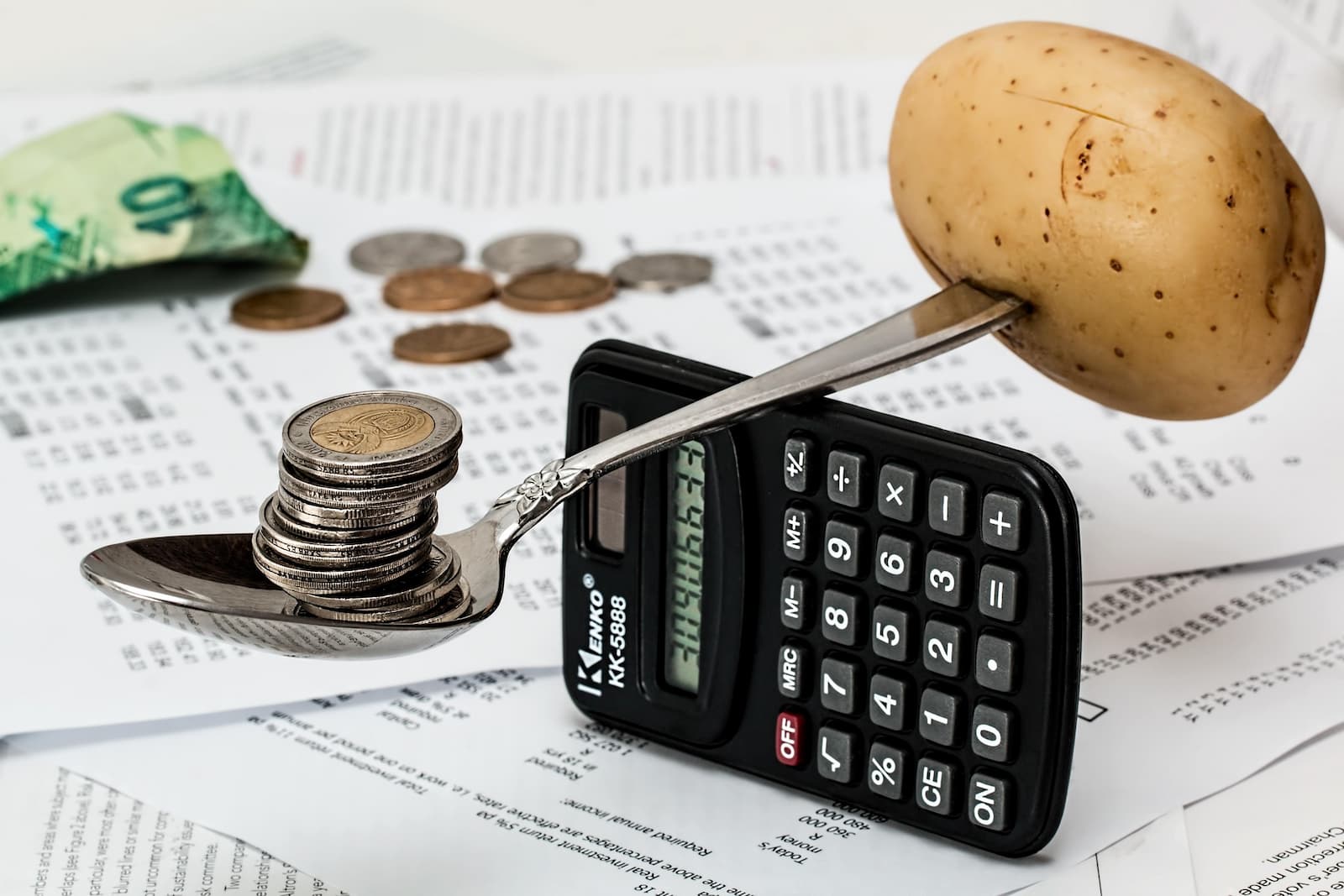
Inflation puts pressure on every part of a hospitality business.
Ingredients become more expensive. Supplier prices change more often. Labor, rent, energy, delivery fees, packaging, and operating costs rise. At the same time, customers become more careful about what they order and how much they spend.
That creates a difficult problem for restaurants, cafés, bars, bakeries, food trucks, and other hospitality businesses:
Costs are rising, but customers may be more sensitive to price increases.
This does not mean restaurants should avoid changing prices.
It means price changes need to be more careful.
During inflation, the worst approach is to react blindly. Raising every price by the same amount may protect margin in some places, but it can also damage customer perception, weaken value items, and push customers toward lower-margin choices.
A better approach is to analyze the menu first.
Quick answer
During inflation, restaurants should not raise all menu prices equally. They should first analyze which items are most affected by rising costs, which prices customers are most sensitive to, which items have weak margins, and whether the menu structure still guides customers toward profitable choices.
The best sequence is:
- Identify cost-sensitive items.
- Identify customer-sensitive items.
- Find weak-margin items.
- Review price gaps and menu structure.
- Decide where to raise prices, where to improve value, and where to simplify.
Inflation pricing is not only about increasing prices.
It is about knowing which parts of the menu need action first.
Why inflation makes menu pricing harder
In normal conditions, a restaurant may review prices a few times per year.
During inflation, that may not be enough.
The cost of one ingredient can change quickly. Supplier quotes may become less stable. Products that used to have reliable margins can become weaker. A dish that was profitable six months ago may now be underpriced.
But the customer does not see your supplier invoices.
The customer sees the menu.
They notice whether a coffee costs more. They notice whether a lunch menu feels less affordable. They notice whether a familiar dish has become expensive. They compare your menu with other options and with their own budget.
That is why inflation creates pressure from both sides:
- the business needs to protect margin,
- the customer needs to feel value.
Good inflation pricing balances both.
Do not start by raising everything
A common reaction during inflation is to increase the whole menu at once.
For example:
- Add $1 to every item.
- Increase all prices by 10%.
- Round every price up.
- Raise all categories equally.
- Change prices only when a new menu is printed.
This can feel efficient, but it is rarely precise.
Some items may need a larger increase. Some may need no increase. Some may need a better description. Some may need a smaller portion. Some may need to be removed. Some may be customer-sensitive and should be handled carefully.
Blind increases can create new problems:
- value items become less attractive,
- premium items feel harder to justify,
- price gaps become confusing,
- customers trade down,
- low-margin items stay too popular,
- and the whole menu may feel suddenly more expensive.
Inflation pricing should begin with analysis, not panic.
1. Identify cost-sensitive items
The first step is to identify which menu items are most exposed to rising costs.
Not every item is affected equally.
Cost-sensitive items often include:
- meat dishes,
- seafood,
- dairy-heavy dishes,
- egg-based items,
- coffee drinks,
- chocolate desserts,
- oil-heavy dishes,
- imported ingredients,
- fresh produce,
- bakery products,
- cocktails with premium spirits,
- delivery and takeaway items with packaging,
- and dishes with many small components.
A dish with one stable ingredient may not need the same response as a dish with several volatile ingredients.
For example, if dairy costs rise, the impact may spread across:
- coffee drinks,
- desserts,
- sauces,
- bakery items,
- breakfast dishes,
- cheese-heavy mains,
- and creamy pasta dishes.
If packaging costs rise, delivery items may be affected more than dine-in items.
The key question is:
“Which items have become more expensive to produce?”
Do not assume the whole menu has the same cost pressure.
Find the pressure points first.
2. Separate visible costs from hidden costs
Some costs are obvious.
If beef, seafood, coffee, or dairy rises, the pressure is easy to notice.
But other costs are easier to miss.
Hidden inflation can come from:
- cooking oil,
- sauces,
- spices,
- garnishes,
- packaging,
- cleaning supplies,
- waste,
- energy,
- delivery commissions,
- staff time,
- and preparation complexity.
A dish may look stable because its main ingredient has not changed much. But if it depends on several small components, the total cost may still be rising.
For example, a burger is not only beef.
It may include:
- bun,
- cheese,
- sauce,
- lettuce,
- tomato,
- pickles,
- fries,
- oil,
- packaging,
- and labor.
If several small costs rise together, the margin can weaken quietly.
During inflation, small costs matter more.
3. Identify customer-sensitive items
Some prices are more visible to customers than others.
These are customer-sensitive items.
They often include:
- coffee,
- beer,
- house wine,
- lunch menus,
- breakfast items,
- basic burgers,
- simple pasta dishes,
- popular starters,
- daily specials,
- kids’ items,
- value meals,
- and familiar items regular customers order often.
Customers use these items as reference points.
If one of these prices jumps too much, the entire business may feel more expensive.
For example, a customer may not remember the exact price of every dish, but they may remember that the lunch menu used to be $12 and is now $16.
This does not mean customer-sensitive items can never increase.
It means they need more careful handling.
For sensitive items, consider:
- smaller increases,
- slower timing,
- better value communication,
- improved portion structure,
- keeping one visible value item stable,
- or increasing less sensitive items first.
The goal is not to hide inflation.
The goal is to avoid making customers feel punished.
4. Find weak-margin items
Inflation makes weak-margin items more dangerous.
A weak-margin item may already be close to the limit. When ingredient or operating costs rise, it can quickly become a problem.
Weak-margin items often have:
- high ingredient cost,
- large portions,
- complex preparation,
- expensive packaging,
- low selling price,
- high waste,
- too many components,
- or old prices that have not been reviewed.
Some weak-margin items are easy to spot.
Others are not.
The most dangerous ones are often popular items that look successful because they sell well.
A bestselling dish can still damage profitability if the margin is too weak.
Ask:
- Which popular items may no longer be profitable enough?
- Which dishes have not had a price review recently?
- Which products have become more expensive to produce?
- Which low-priced items require too much preparation?
- Which items sell often but do not protect margin?
During inflation, popularity alone is not enough.
A menu item needs to sell and support the business.
5. Review price gaps inside each section
Inflation can distort the structure of a menu.
If some items increase and others stay the same, price gaps can become confusing.
Example:
- Classic Burger — $13
- Cheeseburger — $14
- House Burger — $17
- Premium Burger — $24
This may work if each step feels logical.
But if the house burger used to be $15 and jumped to $17 while the classic burger stayed $13, customers may compare more carefully.
They may ask:
“Is the house burger really worth $4 more?”
Price gaps matter because customers compare items inside sections.
Review each section separately:
- starters,
- mains,
- burgers,
- sandwiches,
- pasta,
- pizza,
- desserts,
- coffee,
- cocktails,
- wine,
- breakfast,
- lunch menus,
- sides,
- add-ons,
- and specials.
Ask:
- Are prices too close together?
- Are some gaps now too large?
- Do premium items still feel justified?
- Is the cheapest item too attractive?
- Is the middle option still strong?
- Do customers have a clear reason to trade up?
Inflation pricing should not only protect cost.
It should preserve a clear menu structure.
6. Improve value before increasing some prices
Sometimes the price needs to rise.
But before increasing a price, check whether the item has enough value support.
Compare:
Grilled Chicken — $19
With:
Charcoal-Grilled Free-Range Chicken, Lemon Herb Jus, Roasted Potatoes — $19
The second version makes the same price easier to understand.
If an item needs a price increase, the menu may also need to improve how it communicates value.
That value can come from:
- ingredient quality,
- preparation method,
- portion clarity,
- sides included,
- house-made elements,
- freshness,
- origin,
- flavor,
- uniqueness,
- or a clear role as a signature item.
This is especially important for higher-priced items.
Customers are more likely to accept a price increase when they understand what they are paying for.
7. Use portion and format strategy carefully
During inflation, price is not the only lever.
Restaurants can also review portions, formats, and bundles.
Options include:
- offering small and large sizes,
- creating lunch and dinner portions,
- separating sides as add-ons,
- creating bundles or set menus,
- introducing premium upgrades,
- simplifying plates with too many components,
- reducing waste-heavy ingredients,
- or replacing volatile ingredients with more stable alternatives.
But portion strategy must be handled carefully.
Customers notice when they pay the same or more for clearly less.
The goal is not to reduce value secretly.
The goal is to match price, portion, and customer expectation more carefully.
For example, instead of only raising the price of a dish, a restaurant might offer:
- a standard version,
- a premium version,
- and an add-on option.
This gives customers choice while helping the business protect margin.
8. Keep at least some value signals
During inflation, customers become more selective.
If every part of the menu feels more expensive at once, customers may trade down, skip courses, order fewer drinks, or visit less often.
That is why value signals matter.
A value signal is an item, bundle, or section that helps customers feel there are still accessible choices.
Examples include:
- a well-priced lunch item,
- a simple house wine,
- a coffee and pastry bundle,
- an entry-level cocktail,
- a popular starter,
- a small plate option,
- a daily special,
- or a clear add-on structure.
Value signals do not need to be cheap.
They need to feel fair.
A menu can still have premium items and higher prices, but customers should not feel that every choice has become difficult to justify.
During inflation, protecting perceived value is part of protecting revenue.
9. Simplify where the menu is too complex
Inflation can expose menu complexity.
A large menu may contain items that are expensive to produce, slow to prepare, low-margin, or rarely ordered.
During cost pressure, complexity becomes more expensive.
A menu may need simplification if it has:
- too many similar items,
- ingredients used in only one dish,
- low-selling items with high prep cost,
- too many sauces or garnishes,
- overlapping categories,
- large sections with weak sales,
- or premium ingredients that do not support enough revenue.
Simplifying the menu can help reduce waste, improve kitchen efficiency, and focus customer attention.
Sometimes the best inflation response is not a price increase.
Sometimes it is removing or reworking items that no longer make sense.
10. Watch customer behavior after changes
After making pricing changes, do not only listen for complaints.
Watch behavior.
Customers may not complain directly, but they may change how they order.
Look for signs like:
- fewer starters ordered,
- fewer desserts ordered,
- lower drink attachment,
- more customers choosing the cheapest items,
- weaker premium item sales,
- lower average spend,
- fewer add-ons,
- more sharing,
- lower repeat visits,
- or changes in bestsellers.
A price increase may appear successful because customers still come in.
But if they start trading down to lower-margin choices, the menu may still be weaker.
The real question is:
“Did the price change protect margin without damaging customer behavior?”
That is why inflation pricing needs follow-up.
Inflation pricing checklist
Before changing menu prices during inflation, ask:
- Which items are most exposed to rising ingredient costs?
- Which items are affected by hidden costs like packaging, oil, waste, or labor?
- Which prices are most visible to customers?
- Which items have weak margins?
- Which popular items may no longer protect profitability?
- Which sections have confusing price gaps?
- Which premium items need better descriptions?
- Which value signals should stay accessible?
- Which items should be simplified, reworked, or removed?
- Which changes should be reviewed after launch?
Do not start with:
“How much should we raise everything?”
Start with:
“What does the menu need most?”
How MenuLab helps
MenuLab helps hospitality businesses analyze their menu before reacting to inflation.
Instead of raising prices blindly, MenuLab helps review the menu as a structure:
- which items may need pricing attention,
- which sections may have confusing price gaps,
- which items may be underpriced,
- which premium items may need more support,
- which items may be too visible for their margin,
- and where menu structure may affect customer decisions.
The goal is not to increase every price.
The goal is to identify what needs action first.
Some items may need a price increase. Some may need a better description. Some may need a portion change. Some may need to stay stable as value signals. Some may need to be removed or simplified.
During inflation, better menu decisions start with better visibility.
Final thought
Inflation makes menu pricing more difficult because restaurants face pressure from both sides.
Costs rise.
Customers become more careful.
The solution is not to panic or raise every price equally.
The stronger approach is to analyze first.
Find cost-sensitive items. Protect customer-sensitive prices. Review weak margins. Check price gaps. Improve value communication. Simplify where needed. Then make selective changes.
A good inflation pricing strategy protects the business without making the customer feel that the menu has lost its value.
That balance matters more when conditions are difficult.